


Kia PV7 Electric Van World Premiere: 800V Charging and 460 km Range

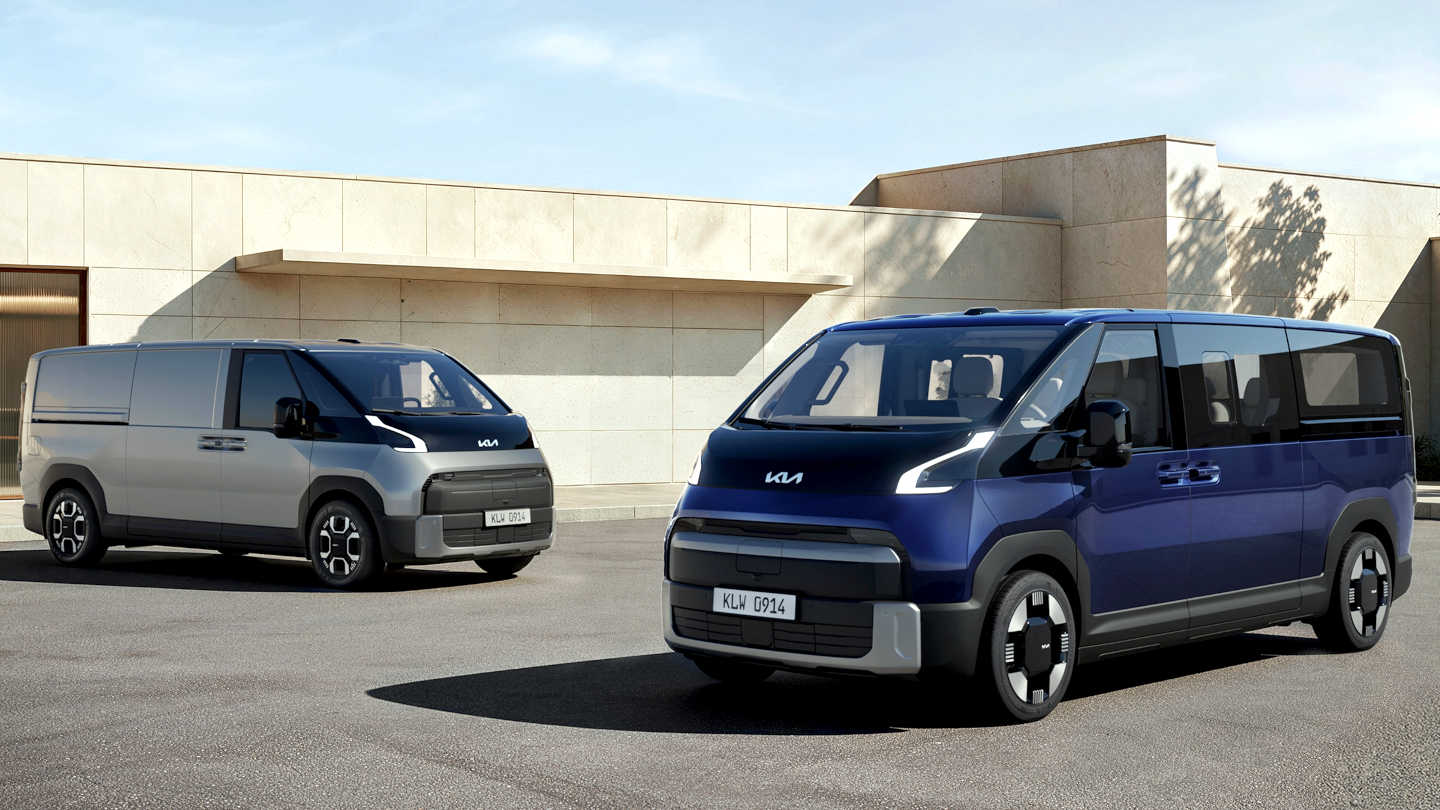
Kia has officially unveiled the PV7, its second dedicated all-electric model in the Platform Beyond Vehicle (PBV) lineup, at the IAA Transportation event in Hannover, Germany. Designed to tackle larger commercial transport and fleet operations, the new electric vehicle brings 800-volt charging capability and a targeted driving range of up to 460 kilometers to the light commercial vehicle segment.
Following the smaller PV5, the PV7 represents a major step forward in Kia's strategy to capture the expanding zero-emission commercial market. For fleet managers, logistics operators, and passenger transport businesses, the vehicle introduces modular adaptability backed by advanced software management tools.
What Is New?
The Kia PV7 expands the brand's electric commercial vehicle portfolio into a larger footprint category. Measuring 5,350 mm in length and 1,995 mm in width, it offers significantly greater interior volume and hauling capability than its predecessor.
Underneath, the PV7 relies on Kia's dedicated E-GMP.S architecture, a specialized electric platform engineered specifically for modular commercial applications. This framework incorporates a Flexible Body System (FBS), enabling Kia to build multiple body configurations and specialized conversion models off a single standardized base structure.
The vehicle also introduces integrated digital tools, including the Pleos Connect open software ecosystem and Gleo AI, an artificial intelligence voice assistant designed to simplify hands-free vehicle operation and operational inquiries during work shifts.
Key Features and Usability
Practicality remains central to the design of the PV7, with functional choices taking precedence over ornamental styling. Bold upright proportions and iconic daytime running lights give the vehicle a purposeful stance, while dark lower body garnish helps protect against routine wear in daily service environments.
Access to the rear cargo bay is optimized through full-open rear doors that swing wide to approximately 270 degrees, making loading straightforward in narrow urban alleys or tight loading bays. A low loading height further minimizes physical strain during repetitive daily loading routines.
Inside, the flat-floor architecture maximizes usable space and enables effortless movement between the cabin and rear compartment. Passenger variants feature adaptable seating layouts, including a 7-seat configuration with Long-Rail Easy Remove Seats and a 9-seat layout available with or without a fourth row.
To support job sites and mobile working environments, the PV7 features Vehicle-to-Load (V2L) technology. This system allows drivers to power external equipment, tools, and electronic devices directly from the high-voltage vehicle battery. Rear climate controls and high-output 100W USB-C charging ports further enhance comfort and utility.
Technical Specifications
Kia has confirmed several key performance metrics for the global PV7 model, with additional technical details expected closer to commercial deployment.
- Architecture: Dedicated E-GMP.S 800-volt EV platform
- Battery Capacity: 71.5 kWh and 96.2 kWh options
- Targeted All-Electric Range: Up to approximately 460 km (96.2 kWh battery)
- Fast Charging Time: 10% to 80% charge in the mid-20-minute range via 800V system
- Electric Motor Power: 200 kW peak output
- Drivetrain Options: Standard drive layout with All-Wheel Drive (AWD) available during product lifecycle
- Overall Length: 5,350 mm
- Overall Width: 1,995 mm
- Fleet Connectivity: Integrated Kia Pleos Fleet management system with API support
Pricing and Variant Strategy
Official pricing for the Kia PV7 has not yet been announced by the manufacturer. Specific pricing details, regional trim configurations, and potential commercial incentive packages will be released closer to the vehicle's market launch.
Kia has confirmed that the PV7 will initially launch in Cargo and Passenger configurations. Following its market release, the company plans to progressively expand the PV7 family to encompass up to 23 distinct variants, catering to specialized trade, shuttle, and logistical roles.
Launch Timeline and Availability
The Kia PV7 made its official global debut on September 14, 2026, at the IAA Transportation show in Hannover, Germany. Official production and customer deliveries are scheduled to begin in 2027.
The rollout of derivative models and specialized conversions will follow the primary launch window. Kia also confirmed that a larger PBV model, designated as the PV9, is scheduled to follow in 2029 to complete the brand's commercial electric lineup.
Why It Matters for Buyers
For commercial operators transitioning to zero-emission fleets, charging downtime is often as critical as total driving range. By integrating an 800-volt electrical architecture into a light commercial van, Kia allows operators to add substantial driving range in around 25 minutes, keeping vehicles on the road during busy delivery schedules.
Additionally, the integration of standard Fleet Management System (FMS) data feeds allows business owners to monitor real-time battery status, vehicle locations, and driver telemetry across an entire fleet without relying on third-party hardware modules.
What Remains Unknown
While Kia has outlined core dimensions and primary battery options, several critical operational specifications remain unconfirmed. The manufacturer has not yet published official payload capacities, maximum towing ratings, or total cargo volume figures for specific body styles.
Detailed market-by-market availability, warranty terms for commercial use, and final pricing across individual variants also remain to be disclosed in the coming months.
AkulRide Verdict
The Kia PV7 appears to be a strategically important addition to the commercial EV landscape. Rather than offering a converted internal combustion van, Kia's ground-up PBV architecture delivers tangible operational advantages, notably rapid 800V charging, modular interior flexibility, and deeply integrated fleet software.
While final success will depend heavily on competitive market pricing and payload capacities, the PV7 stands out as a thoughtful, purpose-built mobility solution designed to address the genuine daily pain points of modern commercial fleets.
TAGS & TOPICS:
#Kia PV7 #Kia PBV #Electric Van #Electric Commercial Vehicle #E GMP Platform #Fleet Management #Electric VehiclesWas this helpful?
Rate this story to help us improve
User Discussion