


Lucid and Bolt Partner for Autonomous EV Fleet of 25,000 Midsize Robotaxis

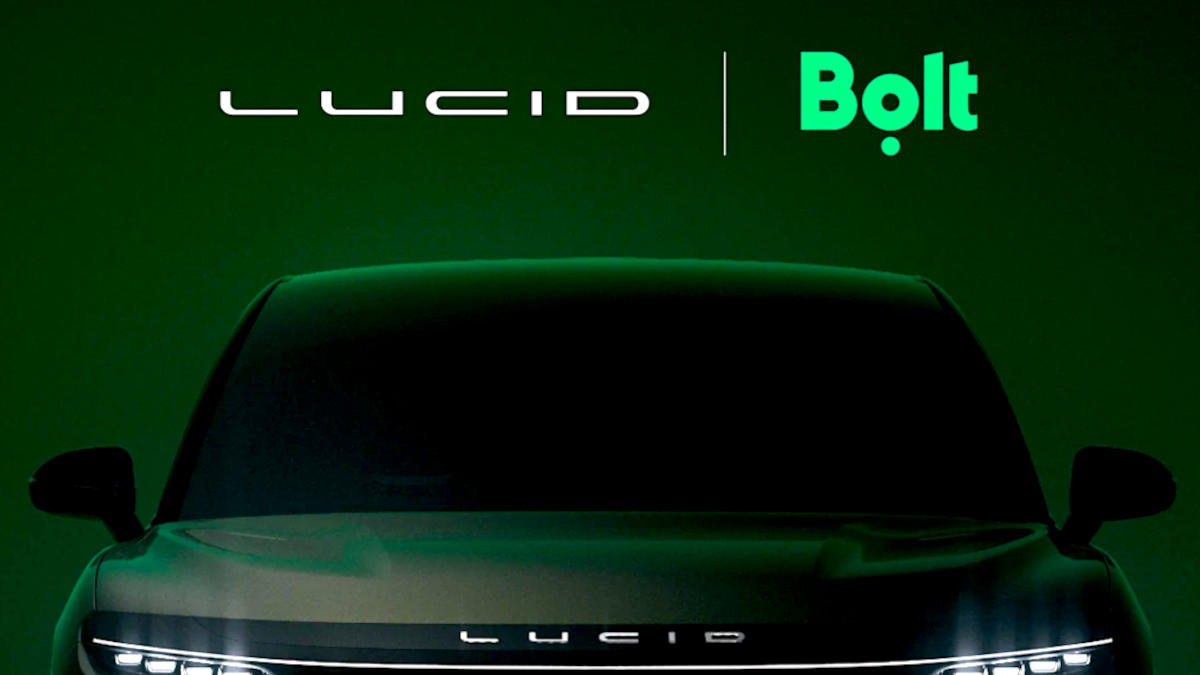
Lucid Group and European mobility giant Bolt have formed a landmark strategic partnership to engineer and deploy a fleet of at least 25,000 fully autonomous electric vehicles across major European cities. For urban commuters and the electric mobility industry, this collaboration represents a major commercial leap toward scalable, driverless ride-hailing powered by next-generation electric vehicle architecture.
The joint project will construct a production-ready autonomous ride-hailing service based on Lucid's upcoming Midsize vehicle platform. By merging Lucid's software-defined vehicle engineering with Bolt's extensive operational network across more than 850 cities, the alliance creates a formidable European competitor in the global race for autonomous shared transit.
What Is New in the Lucid and Bolt Partnership?
The central development is a joint commitment to co-design, validate, and commercialize an SAE Level 4 autonomous vehicle platform specifically tailored for European streets and regulations. Rather than retrofitting existing production cars, Lucid and Bolt are integrating autonomous driving hardware and operational software from the ground up at the factory level.
Bolt plans to deploy an initial minimum fleet of 25,000 autonomous Lucid vehicles across several European countries. This deployment serves as the foundation for Bolt's long-term corporate target of operating 100,000 autonomous vehicles on its shared ride platform by 2035.
Key Technology: NVIDIA Hyperion and Level 4 Automation
The technical foundation of the autonomous fleet relies heavily on advanced compute and standardized sensor integration. The vehicles are expected to utilize NVIDIA Hyperion, a production-grade autonomous vehicle reference architecture.
- Autonomous Capability: Designed to achieve SAE Level 4 autonomy, enabling fully driverless operation within designated urban operational design domains without requiring human intervention.
- NVIDIA Hyperion Compute: Integrates high-performance centralized computing capable of processing massive streams of visual, radar, and spatial data in real time.
- Standardized Sensor Suite: Combines precision automotive cameras, radar, and sensor systems tuned to negotiate tight European city layouts and variable weather conditions.
- Software-Defined Architecture: Employs Lucid's proprietary digital platform to enable seamless over-the-air software updates, remote diagnostics, and deep powertrain management.
The Vehicle Foundation: Lucid's Upcoming Midsize Platform
Unlike Lucid's current flagship offerings—the full-size Air luxury sedan and Gravity SUV—the autonomous fleet will be constructed on Lucid's upcoming Midsize platform. This smaller, high-efficiency architecture is engineered to deliver high-volume manufacturing feasibility and lower per-mile operational costs.
Lucid will engineer the base vehicles, integrating safety redundancies into braking, steering, and power delivery to meet stringent commercial driverless safety standards. The physical assembly will leverage Lucid's vertically integrated manufacturing footprint, which currently encompasses facilities in Casa Grande, Arizona, and the AMP-2 plant in Saudi Arabia.
Division of Roles and Operational Structure
To execute the program, both companies have assigned dedicated organizational units to oversee development and roll-out.
- Lucid Technologies: Lucid's newly formed division will direct the vehicle engineering, consolidating the automaker's artificial intelligence, advanced driver assistance systems (ADAS), digital vehicle architecture, and autonomy teams under one umbrella.
- Bolt Autonomous Driving Solutions: Bolt's specialized autonomous branch will define passenger-experience criteria, safety thresholds, and vehicle fleet requirements.
- Fleet Ownership and Management: Bolt intends to directly own and operate the autonomous Lucid fleet, managing depot charging infrastructure, vehicle cleaning, maintenance, and dispatching systems.
Market Impact and European Strategy
The alliance gives Lucid a high-volume commercial outlet for its electric powertrains outside the traditional retail luxury vehicle market. Extending its proprietary efficiency and software stack into fleet operations allows the California-based manufacturer to generate sustainable revenue while validating its midsize architecture at commercial scale.
For Bolt, which currently serves more than 200 million customers across 50 countries, the deal provides a customized hardware stream built specifically for ride-hailing. Operating its own purpose-built robotaxi fleet reduces long-term reliance on third-party drivers while aligning with European municipal decarbonization goals.
Why It Matters for Consumers
For regular ride-hailing users across European metropolitan areas, this program signals a shift toward purpose-built autonomous transit. Passengers will travel in electric vehicles engineered specifically for comfort, quietness, and digital connectivity, rather than adapted consumer hatchbacks.
Furthermore, factory-integrated Level 4 systems promise greater consistency in ride quality and routing, while the high efficiency of Lucid's electric powertrains could help keep autonomous ride fares competitive compared to traditional taxi services.
What Remains Unknown
Despite the scale of the announcement, several key operational and technical figures remain unannounced by both companies:
- Launch Timeline: The official commercial start date and target year for the first passenger trials have not yet been disclosed.
- Initial Cities: Specific launch metropolitan areas and initial trial countries in Europe remain unconfirmed.
- Vehicle Specifications: Battery pack capacities, range ratings, passenger seating capacity, and motor outputs for the Midsize platform have not been published.
- Financial Terms: The capital expenditure commitments and financial terms of the fleet agreement have not been made public.
AkulRide Verdict
The partnership between Lucid and Bolt is an ambitious, strategically sound enterprise that addresses the hardest challenges in autonomous mobility: platform efficiency, manufacturing quality, and fleet management at scale. While navigating European regulatory frameworks and finalizing Level 4 validation will present substantial hurdles, combining Lucid's engineering prowess with Bolt's established 850-city urban network gives this European robotaxi initiative genuine commercial weight.
TAGS & TOPICS:
#Lucid Motors #Bolt Mobility #Autonomous Electric Vehicles #Robotaxi #NVIDIA Hyperion #Level 4 Autonomy #Electric MobilityWas this helpful?
Rate this story to help us improve
User Discussion