


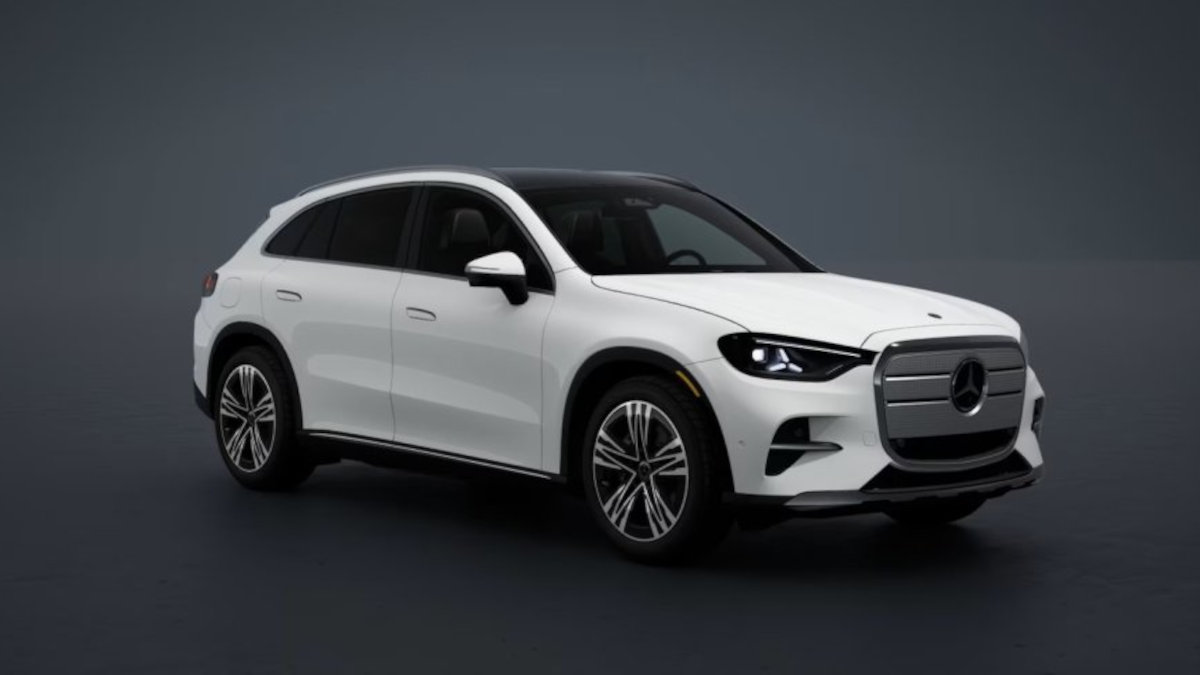
Mercedes-Benz has announced the introduction of MB.DRIVE ASSIST PRO, marking the debut of urban point-to-point semi-automated driving for the German market. Developed in collaboration with NVIDIA, the new system expands on existing highway driving aids by offering continuous assistance from origin to destination across the entire navigation route. With this launch, Mercedes-Benz becomes the first automotive manufacturer to bring such point-to-point assistance to Germany, following implementations in the United States and China.
The system is scheduled to become available for order in Germany during the first half of 2027. Ahead of the nationwide commercial rollout, Mercedes-Benz plans an early access program beginning in late 2026. This pilot phase will operate in Stuttgart and Munich, targeting selected customers driving vehicles already built with the necessary hardware. Feedback generated during this early deployment will directly inform future software refinements delivered across the wider Mercedes-Benz vehicle fleet.
Platform Architecture and Hardware Integration
MB.DRIVE ASSIST PRO is powered by an extensive suite of environmental sensors that integrate directly into the vehicle architecture. In total, the hardware setup relies on 27 individual sensors distributed around the body. This includes ten cameras, five radar units, and twelve ultrasonic sensors, all providing raw input data to support continuous 360-degree environmental perception.
The incoming sensor data is processed by an onboard high-performance central computer capable of delivering up to 254 TOPS (Trillion Operations Per Second) of processing power. The technical architecture relies on the proprietary Mercedes-Benz Operating System (MB.OS), combined with the NVIDIA Hyperion in-vehicle computing and sensor architecture. It also implements the Halos full-stack safety system alongside NVIDIA Alpamayo stack software to interpret complex driving scenarios in real time.
System Operation and Technical Specifications
Operating as an SAE Level 2 driver assistance feature, MB.DRIVE ASSIST PRO is engineered around a cooperative hands-on steering concept. This setup ensures that human drivers remain responsible for the vehicle at all times while retaining the ability to intervene and override automated steering inputs instantly. The automated assistance extends through multiple driving scenarios, including navigating highway exits, changing lanes, merging into correct traffic flows, managing turns at urban intersections, and handling stop-and-go maneuvers at traffic lights.
The core computational and hardware specifications confirmed by Mercedes-Benz include:
| Feature Component | Technical Detail |
|---|---|
| Total Sensor Count | 27 Sensors |
| Optical Sensors | 10 Cameras |
| Radar Units | 5 Radar Sensors |
| Ultrasonic Units | 12 Ultrasonic Sensors |
| Compute Performance | Up to 254 TOPS |
| Core Computing Platform | NVIDIA Hyperion Architecture |
| Software Architecture | Mercedes-Benz MB.OS with Alpamayo Stack |
| Safety Framework | Halos Full-Stack Safety System |
| Automation Classification | SAE Level 2 (Hands-on, continuous driver attention required) |
| Regulatory Standard | UN Regulation R171 (DCAS) |
Interior Operation and User Interface Technology
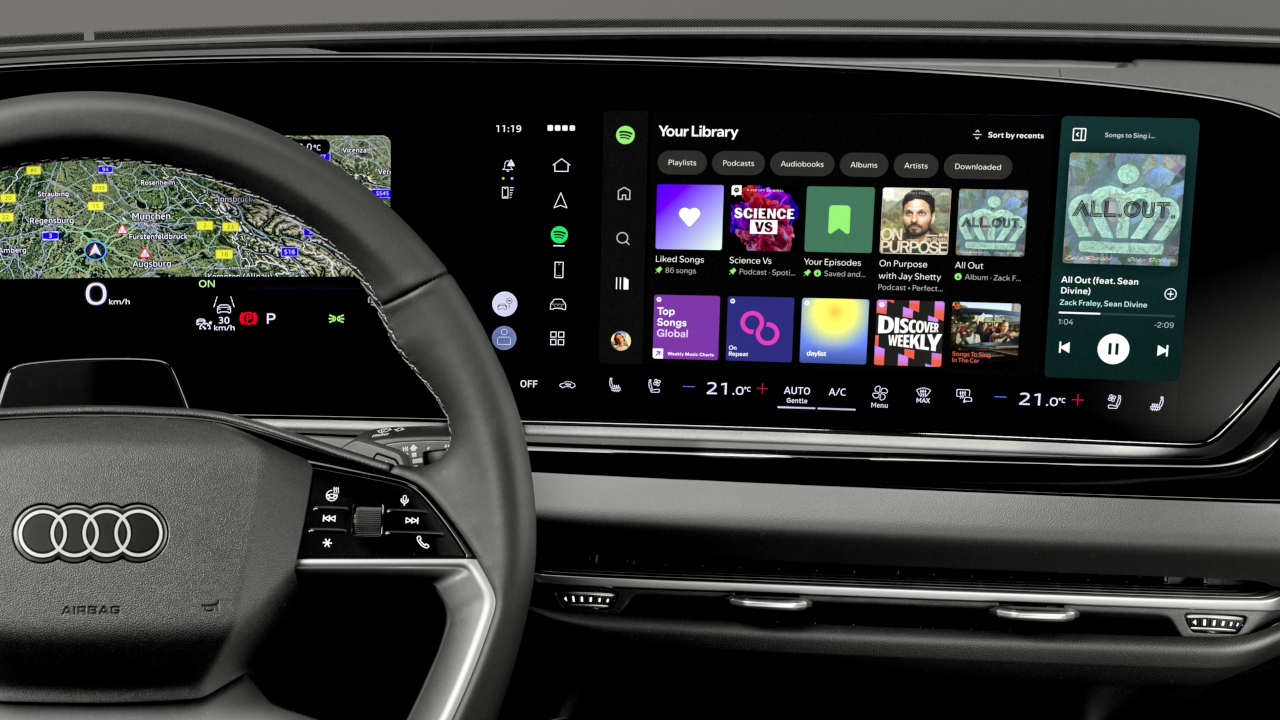
Inside the vehicle, MB.DRIVE ASSIST PRO integrates seamlessly with the standard Mercedes-Benz navigation system. Drivers engage the point-to-point driving assistant via a dedicated steering wheel button once an active navigation route has been entered into the vehicle interface. The system then guides the car through both open highway corridors and congested city centers.
Vehicles that already possess the requisite sensor and computing hardware can receive the feature via Over-the-Air (OTA) software updates, eliminating the need for physical service visits. To encourage adoption and allow prospective users to evaluate the system, Mercedes-Benz will provide a complimentary one-month trial period following the general market release, provided the vehicle meets all factory hardware requirements.
Regulatory Approval, Trims, and Rollout Timeline
Development and compliance of MB.DRIVE ASSIST PRO follow the newly established United Nations Regulation UN R171, which governs Driver Control Assistance Systems (DCAS). Established by the UNECE working group on automated, autonomous, and connected vehicles, the regulation outlines rigorous safety demands. Because it adheres to a harmonized international standard, Mercedes-Benz noted that the system could potentially be expanded across all European Union member states without requiring separate, market-specific regulatory approvals.
Availability of MB.DRIVE ASSIST PRO will be model-dependent, with rollout planned across the wider Mercedes-Benz passenger car and van portfolios. Vehicle pricing, subscription fees, specific trim allocations, and detailed powertrain combinations have not yet been disclosed by the automaker and will be confirmed closer to the respective model introductions.
AkulRide Verdict
Mercedes-Benz is making a major technological leap by introducing end-to-end urban assistance to Germany under the UN R171 regulatory framework. By pairing its proprietary MB.OS with NVIDIA Hyperion compute power, the brand addresses one of the most demanding environments for driving assistance: dense European city streets. While keeping the driver legally accountable under SAE Level 2 rules, the promise of OTA updates and an initial free trial gives Mercedes-Benz a structured pathway to normalize point-to-point automated driving across both consumer cars and light commercial vans.


User Discussion