


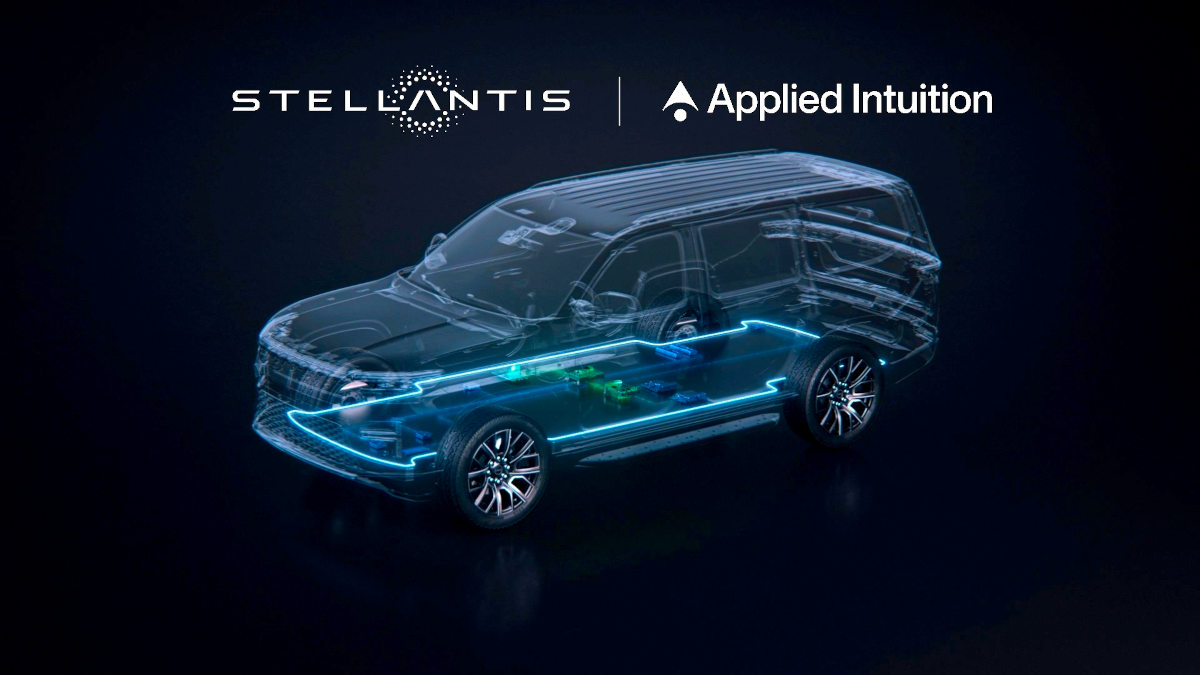
Ever wonder why your car's infotainment system feels years behind your smartphone, or why recall fixes still require an annoying trip to the dealership? Stellantis is tackling this exact frustration by massively expanding its partnership with Silicon Valley AI leader Applied Intuition.
The global automotive giant is integrating advanced "Vehicle OS" technology deep into its next-generation STLA Brain platform architecture. This massive technological leap aims to turn your future car into a fluid, continuously updating, AI-defined machine.
Instead of treating a vehicle like static hardware, this collaboration treats it like a living software ecosystem. For everyday drivers, this means your car will actively get smarter, safer, and more capable long after you drive it off the showroom floor.
Key Features of the Next-Gen STLA Brain Platform
The core purpose of the STLA Brain platform is to completely dismantle the old, overly complex way automotive software is built and integrated. By introducing a unified digital architecture, Stellantis can instantly deploy new features across all 14 of its iconic global brands.
This means whether you drive a rugged Jeep SUV, a high-performance Dodge, or a luxury Alfa Romeo, they will all share a hyper-efficient digital spine. This shared framework allows for incredibly fast over-the-air updates that can tune everything from cabin comfort to safety mechanics.
Building on their previous work with the STLA SmartCockpit, this expanded alliance focuses deeply on core vehicle software operations. Applied Intuition brings its world-renowned simulation and validation toolsets directly into the factory development phase, meaning software glitches can be caught and killed in virtual environments before a single car is built.
Specifications: Physical AI and Shortened Development Cycles
While the partnership doesn't alter physical engine horsepower or battery cell capacities, it drastically re-engineers the digital horsepower hidden beneath the dashboard. The incorporation of Applied Intuition's advanced digital infrastructure introduces a specialized layer of physical AI into production cars.
By heavily utilizing automated simulation testing, engineering teams can compress massive development timelines down significantly. This ensures that cutting-edge driver assistance software and automated safety protocols can reach consumers in record time without compromising quality.
Core Software Platform Highlights:
- Unified Digital Backbone: Standardizes core operating protocols across multiple diverse automotive segments and brands.
- Production-Scale Vehicle OS: Leverages advanced Silicon Valley AI infrastructure to manage complex automated driving algorithms.
- Virtual Simulation Mastery: Utilizes extensive digital testing environments to continuously validate critical safety software before real-world rollouts.
- Lifecycle Optimization: Natively engineered to handle continuous over-the-air performance updates for up to a decade of ownership.
Pricing and Market Launch Impact
Because this tech integration acts as a foundational, behind-the-scenes operating framework, there is no standalone retail price tag for consumers to worry about. Instead, the extreme efficiency gained from this streamlined software pipeline will directly lower overall vehicle development costs.
Stellantis intends to pass these factory savings down to the consumer, helping to keep future electric and hybrid vehicle pricing competitive. Car buyers can expect to experience the fruits of this advanced STLA Brain integration across next-generation model lineups starting within the next couple of model years.
AkulRide Verdict
Is an advanced, AI-defined software partnership truly a game-changer for the average car enthusiast? Absolutely, because the modern automotive battlefield is no longer fought just with steel and pistons, but with high-speed processing and seamless digital execution.
By embedding Applied Intuition’s highly sophisticated Vehicle OS into the upcoming STLA Brain architecture, Stellantis is successfully future-proofing its massive vehicle lineup. If they can execute this transition smoothly, your next daily driver will behave like a high-performance supercomputer on wheels.
User Discussion