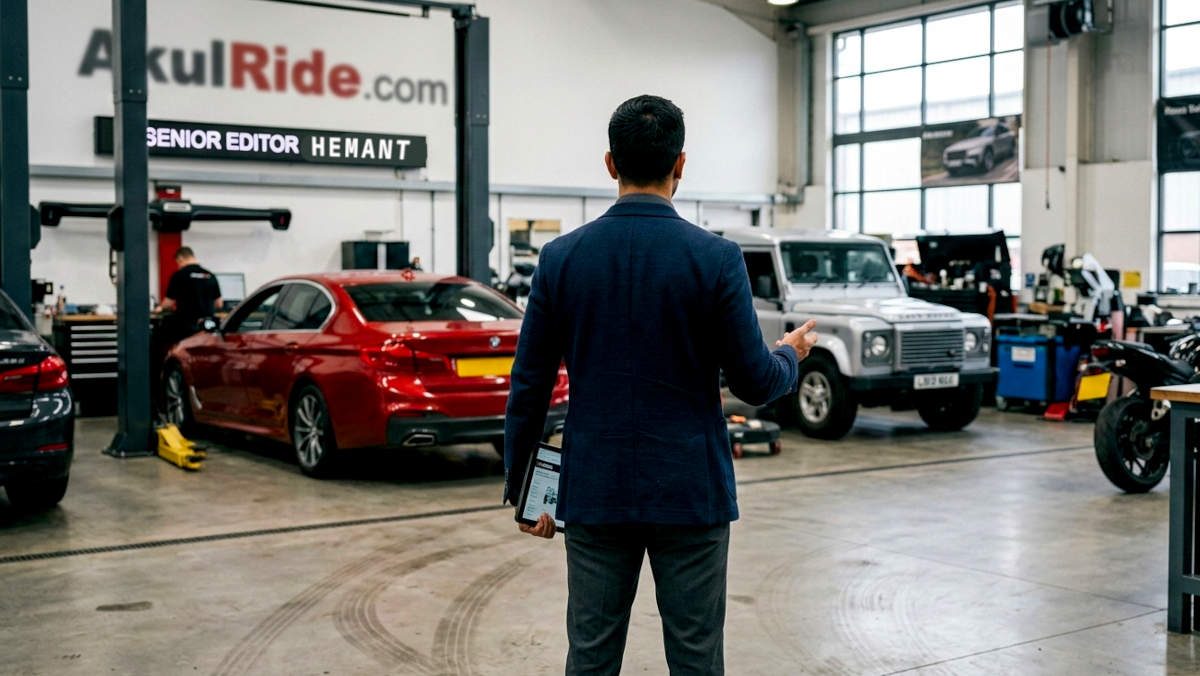


The BMW Group has earned the prestigious Global New Energy Vehicle Innovative Technology award at the 2026 World New Energy Vehicle Congress in Haikou, China, for its next-generation Gen6 high-voltage battery architecture. The win is a notable milestone for the German automaker, which stood out as the sole non-Chinese vehicle manufacturer recognized for technology innovation at this year's congress.
The accolade highlights BMW's sixth-generation eDrive foundation, developed to power the brand's forthcoming Neue Klasse electric vehicle lineup. Rather than relying on off-the-shelf components, BMW has placed its proprietary battery chemistry, structural packaging, and energy management hardware at the very core of its long-term electrification strategy.
What Is New with the BMW Gen6 Battery?
BMW filed patent applications for more than 500 innovations during the development transition from its fifth-generation eDrive hardware to Gen6. The defining architectural departure is the switch from prismatic battery cells to newly developed cylindrical round cells engineered with high-nickel cathodes.
Equally critical is BMW's elimination of traditional modular groupings. The Gen6 design integrates these round cells directly into the battery pack using a cell-to-pack construction method, cutting out redundant structure to make more efficient use of available vehicle space and increase pack-level energy density.
According to BMW AG board member Jochen Goller, the award validates the company's focus on uniting engineering innovation with strict safety benchmarks and practical customer relevance as the Neue Klasse approaches global showrooms.
Key Features and In-House Engineering
The Gen6 architecture incorporates several proprietary hardware and software solutions engineered to elevate daily usability, thermal resilience, and electrical throughput:
- Cylindrical High-Nickel Cells: Housed in robust steel casings, the new round cells feature integrated mechanical safety mechanisms designed to manage pressure and thermal stress.
- Cell-to-Pack Integration: By doing away with intermediate cell modules, BMW achieves a flatter overall battery pack profile, improving cabin packaging freedom and aerodynamic underbody design.
- The Energy Master Unit: Mounted directly to the battery assembly, this BMW-developed control unit combines proprietary hardware and software to govern energy distribution to the drive units, regulate the low-voltage onboard network, and manage real-time battery analytics.
- Advanced Thermal and Safety Barriers: The pack uses a multi-stage electrical insulation concept alongside integrated thermal management to preserve performance across extreme temperature ranges.
- Technology Openness: BMW confirmed the physical battery enclosure and vehicle interfaces are designed to accommodate alternate cell chemistries over time without requiring ground-up platform redesigns.
Specifications and Electrical Capabilities
While BMW has not yet released individual battery capacities for upcoming production models, the company has officially confirmed several core technical parameters underpinning the Gen6 ecosystem:
- Operating Voltage: Native 800-volt architecture across the entire Gen6 battery family.
- Infrastructure Compatibility: Flexible fast-charging support engineered to negotiate both 400-volt and 800-volt DC charging stations without auxiliary conversion penalties.
- Bidirectional Charging: Integrated hardware support for bidirectional power transfer, opening vehicle-to-load and vehicle-to-grid applications.
- Cell Design: Cylindrical format utilizing high-nickel cathode chemistry encased in steel.
- Development Validation: Continuous in-house scientific validation across the full value chain, from raw chemical formulation to vehicle chassis integration.
Launch Timing, Availability, and Market Context
BMW confirmed that the Gen6 battery system serves as the foundational drive component for the Neue Klasse family, which will debut first on production passenger cars before rolling out across the wider BMW Group portfolio. The system is engineered as an international offering to satisfy all major global safety and crash regulations.
The recognition at the Haikou congress marks the fifth consecutive year, and the sixth time overall, that BMW has received awards for technological innovation at the World New Energy Vehicle Congress. Winning in China—the world's most aggressive and competitive electric vehicle market—underscores the international credibility of BMW's electrification roadmap.
Why It Matters for Electric Vehicle Buyers
For potential buyers, the technical shift translates directly into daily driving conveniences. Moving to an 800-volt standard paired with cell-to-pack packaging targets significantly reduced DC fast-charging wait times and improved highway efficiency without bloating overall vehicle weight.
The inclusion of dual-voltage charging flexibility solves a common issue with high-voltage EVs, ensuring owners can charge at peak speeds whether plugged into newer ultra-fast chargers or legacy 400-volt roadside dispensers. Furthermore, standard bidirectional capability turns the vehicle into a viable home backup or mobile energy reserve, adding tangible ownership utility beyond simple transportation.
What Remains Unknown
BMW's latest announcement focuses on core architecture and engineering recognition rather than showroom consumer sheets. The manufacturer has not yet revealed:
- Official gross or usable kilowatt-hour battery capacities for specific Neue Klasse variants
- Confirmed WLTP or EPA electric driving ranges
- Peak DC fast-charging power figures in kilowatts or 10-to-80 percent charging times
- Exact retail pricing or trim configurations for the incoming production vehicles
- Specific delivery timelines for individual global export markets
AkulRide Verdict
Earning an independent engineering award in China, where domestic EV innovation sets an unforgiving pace, confirms that BMW's Gen6 battery is a genuine technical leap rather than an incremental marketing update. By abandoning modular prismatic packs in favor of an integrated 800-volt cylindrical cell architecture, BMW is tackling the core pain points of modern EV ownership: charging speed, packaging efficiency, and thermal longevity. While exact performance numbers and pricing remain closely guarded, the Gen6 foundation demonstrates that BMW's Neue Klasse platform is engineered to compete directly with the world's most advanced electric powertrains.

User Discussion