


General Motors has announced an extensive technological transformation centered on artificial intelligence, software virtualization, and centralized computing. At the GM Forward event, the automaker outlined plans to reduce its traditional four-to-five-year vehicle development cycle by half. By utilizing enterprise AI and a unified digital engineering thread across design, engineering, and manufacturing, GM aims to scale new vehicle programs with greater speed across its global network.
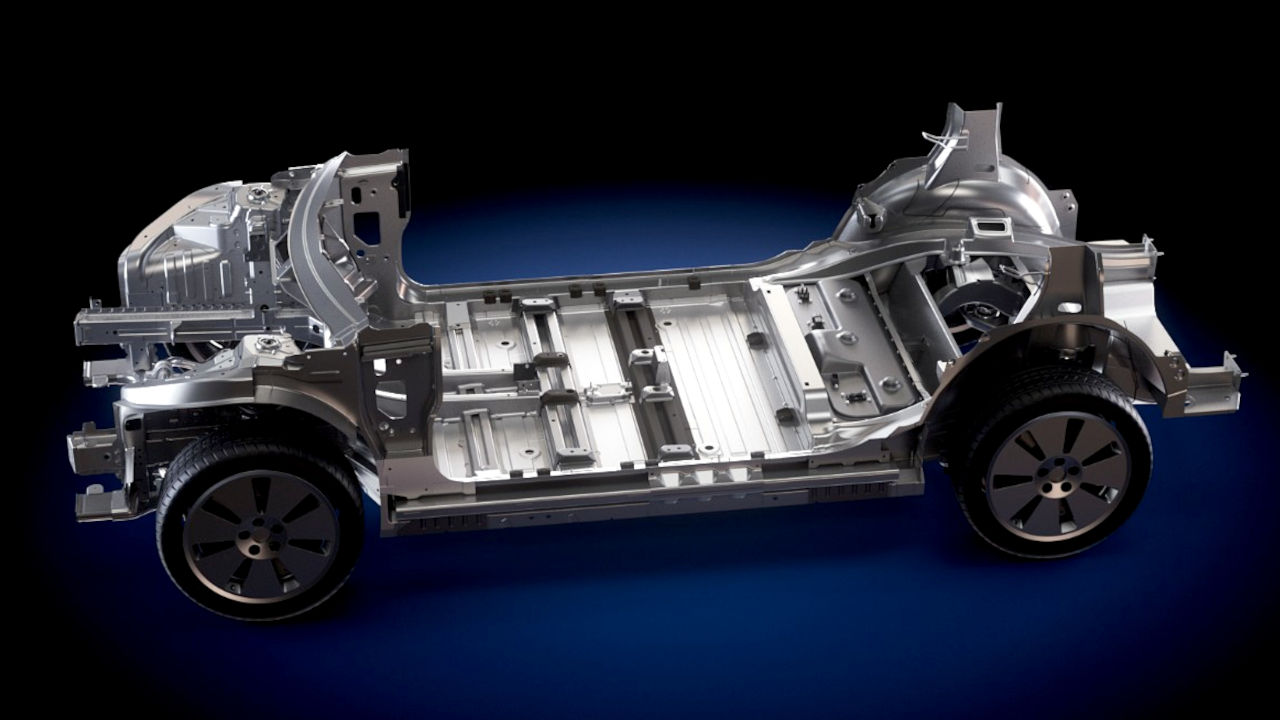
A primary element of this strategy is the introduction of GM's fourth-generation electric vehicle platform, designed to deliver electric mobility to mainstream buyers at scale. Underpinning this push is a newly developed centralized computing architecture engineered to bridge software-defined functionality across both battery-electric vehicles and high-volume internal combustion models.
The transformation also reshapes GM's connected services ecosystem. Marking the 30th anniversary of OnStar, the company is turning the service into a multimodal intelligence platform, incorporating an integrated virtual assistant and consolidated smartphone applications to streamline ownership experiences across its brand portfolio.
Exterior Styling, Platform & Dimensions
GM's fourth-generation EV platform is engineered around hardware consolidation and optimized packaging. While specific body panel designs, lighting elements, aerodynamic drag coefficients, and exterior dimensions for future mainstream models were not detailed, the underlying platform introduces a complete overhaul of vehicle electrical architecture.
Central to the platform is a high-speed Central Compute Unit (CCU) designed completely in-house. This centralized brain decouples software from physical vehicle hardware, uniting domains such as active safety, perception, propulsion, and chassis controls onto a single computing platform. The propulsion-agnostic architecture reduces vehicle wiring length and mass by 30 percent while cutting overall physical complexity across vehicle segments, ranging from three-row crossovers to full-size trucks.
Powertrain, Performance & Specifications
The fourth-generation EV platform adopts new propulsion systems and alternative battery chemistry. GM is introducing Lithium Manganese Rich (LMR) battery cells, developed to deliver an improved range-to-cost ratio, enhanced durability, and elevated performance. GM evaluated over 300,000 battery designs through virtual simulation before manufacturing a single physical prototype, progressing from an initial concept to formal program approval in one month.
Complementing the LMR battery is a suite of redesigned electric drive units. These systems combine more compact electric motors and power electronics, achieving a 40 percent reduction in parts count compared to GM's current systems. While exact horsepower, torque, charging speeds, battery pack kilowatt-hour ratings, and acceleration figures were not disclosed, GM confirmed the electrical architecture provides 40 times more computing power and up to 50 percent faster cellular connectivity.
| Architecture Feature | Specification / Metric |
|---|---|
| Compute Processing Power | 40x increase over previous generation |
| Wiring Harness Optimization | 30% reduction in wiring length and mass |
| Cellular Connectivity | Up to 50% faster download and transfer speeds |
| Drive Unit Parts Count | 40% fewer parts compared to current propulsion units |
| Battery Chemistry | Lithium Manganese Rich (LMR) |
Cabin, Infotainment & Interior Technology
Inside the cabin, the centralized CCU provides the high-performance computing required to execute advanced digital experiences and autonomous features simultaneously. The primary digital touchpoint will be the new OnStar AI Assistant, trained on GM vehicle data to deliver contextual, personalized guidance to occupants.
Beyond the dashboard, GM will unite its mobile software into a single OnStar application starting in 2027. This application replaces brand-specific apps for Buick, Cadillac, Chevrolet, and GMC, as well as the OnStar Guardian app. The mobile interface will feature vehicle management tools, connected camera capabilities such as live view and crash recordings, and proactive family safety settings. GM stated that customer privacy controls are central to the software, allowing users to toggle features on or off at any time.
Trims, Safety Suite & Availability
GM plans to introduce these software and compute architectures across a staggered rollout schedule. The OnStar AI Assistant will debut in the coming months on the 2027 Cadillac LYRIQ via an over-the-air update before expanding to other GM models. In 2028, autonomous highway driving and the full centralized compute architecture will officially launch on the Cadillac ESCALADE IQ.
Following its arrival on the ESCALADE IQ, GM will deploy the centralized architecture across high-volume gas-powered full-size SUVs, light-duty pickups including the Chevrolet Silverado, three-row crossovers, and fourth-generation electric vehicles. The underlying autonomous systems are currently logging closed-course testing and learning via an active data-collection fleet capturing roughly 1 million miles of multisensor data each month, informed by 1.2 billion miles driven by customers using Super Cruise. Trim grades, specific warranty coverage, and regional retail pricing were not announced.
AkulRide Verdict
General Motors is executing a calculated structural pivot by prioritizing compute consolidation and production agility over incremental hardware changes. By developing a unified architecture capable of serving both internal combustion trucks and high-volume electric crossovers, GM is insulating its manufacturing pipeline against uneven EV adoption rates. If the company delivers on its promise of a 40 percent drive unit parts reduction and 50 percent shorter vehicle development timelines, its fourth-generation platform could represent one of the most cost-competitive software-defined vehicle rollouts in the industry.



User Discussion