


Métropole du Grand Paris, mobility platform Bolt, and automotive group Stellantis have unveiled a joint initiative to introduce autonomous vehicle mobility services across Greater Paris. The collaborative program has been submitted to the European Commission's Autonomous Drive Ambition Cities (ADACities) initiative. Slated to launch initial trials in 2028, the project aims to address transportation gaps across one of Europe's most congested and densely populated urban regions.
Under the operational banner of 'The Greater Paris Autonomous Driving Living Lab,' the partnership combines local administrative governance with global mobility deployment and automotive manufacturing. Métropole du Grand Paris represents the city of Paris along with 129 surrounding municipalities, serving an overarching metropolitan area of 7.2 million inhabitants. The project was submitted to ADACities to develop a real-world testing framework for autonomous transport, evaluating operational, societal, and regulatory requirements before expanding toward potential commercial operation.
The pilot focuses primarily on solving unmet local transit needs across the metropolitan area. While major transit infrastructure projects such as the Grand Paris Express continue to expand traditional train and bus coverage, public transport gaps remain. The partners intend for the autonomous vehicle service to complement existing networks by facilitating first- and last-mile connectivity, off-peak travel, connections to decentralized employment hubs, and high-demand transit during major public events.
Exterior Styling, Platform & Dimensions
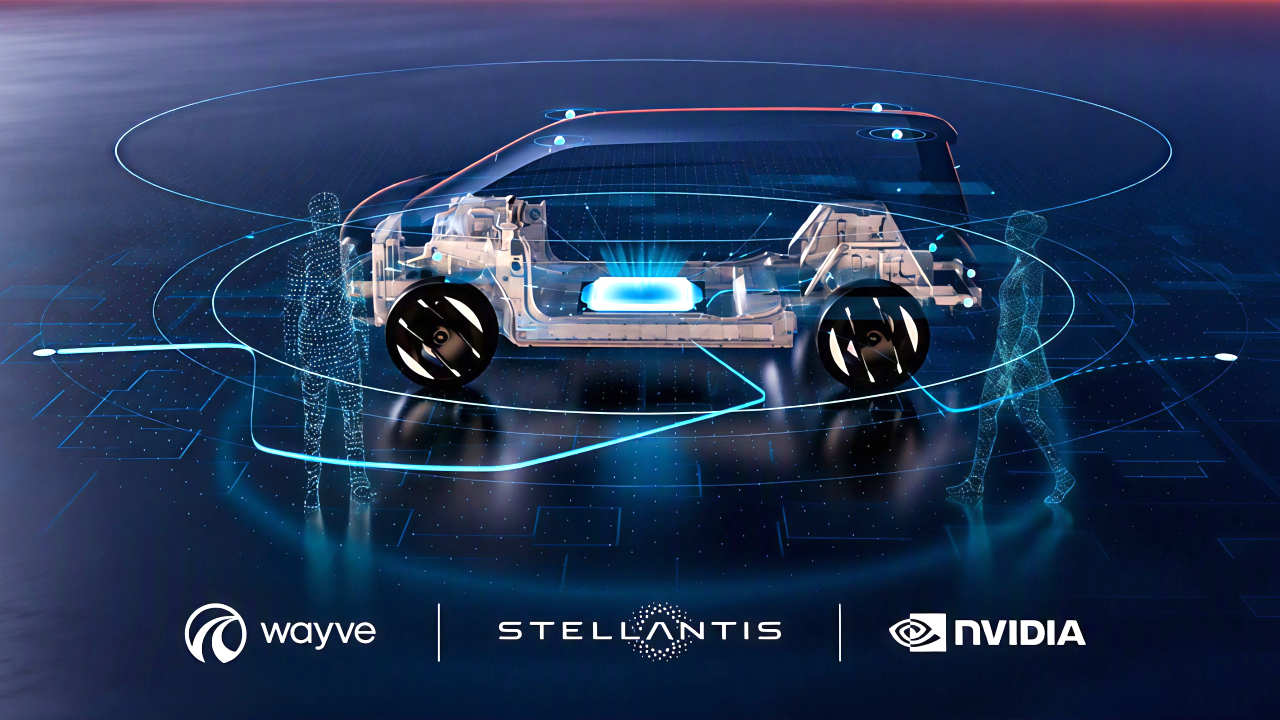
Vehicles deployed in the pilot program will be supplied directly by Stellantis, utilizing the automaker's dedicated L4-Ready Platforms. Stellantis will contribute its internal vehicle design, engineering, and manufacturing capabilities to integrate the automated systems directly into the vehicle architecture. Specific exterior dimensions, design language, lighting details, and aerodynamic drag coefficients for the designated pilot vehicles were not disclosed in the official announcement.
The vehicle platform will incorporate hardware and system architecture capable of accommodating driverless systems. The design engineering is focused on the practical rigors of dense urban European environments. Stellantis and its technical collaborators are tasked with integrating automated sensors and computational hardware into the production-ready body shells to maintain operational durability across varied weather and road conditions.
Powertrain, Performance & Specifications
Specific mechanical details regarding motor outputs, horsepower, torque ratings, battery pack sizes, charging speeds, and acceleration figures were not disclosed by Stellantis, Bolt, or Métropole du Grand Paris. The technical focus of the initiative centers on system integration, software capability, and automated fleet management rather than isolated powertrain metrics.
| Parameter | Details |
|---|---|
| Initiative Name | The Greater Paris Autonomous Driving Living Lab |
| Platform | Stellantis L4-Ready Platforms |
| Autonomous Compute | NVIDIA Hyperion with NVIDIA Halos Safety System |
| Prospective Autonomous Tech Provider | Pony.ai |
| Fleet Operations Provider | Bolt Autonomous Driving Solutions |
| Target Launch Year | 2028 (Phase 1 Testing) |
| Target Expansion Year | 2030 (Up to 30+ Municipalities) |
To power the autonomous capabilities, Pony.ai has been identified as the potential autonomous driving technology provider. The system is designed to run on the NVIDIA Hyperion compute architecture paired with the NVIDIA Halos safety system. This automated stack is engineered to process real-time mapping, pedestrian tracking, and multi-vehicle traffic environments across complex metropolitan roadways.
Cabin, Infotainment & Interior Technology
Inside the vehicles, the cabin configurations will center on passenger transport, service reliability, and user acceptance. Bolt will lead the digital service integration and operational deployment planning through its Bolt Autonomous Driving Solutions division. This operational layer connects the vehicle's onboard technology to the consumer-facing Bolt ride-hailing interface.
Exact interior screen sizes, seating capacities, and cabin materials were not disclosed in the initial partnership brief. The onboard technology will be configured to handle passenger verification, ride monitoring, and trip dispatching. Furthermore, aggregated operational data collected during transport runs will be evaluated in full compliance with local data protection and privacy regulations to inform future transit policies.
Trims, Safety Suite & Availability
The rollout will occur in two distinct operational phases. The initial deployment, scheduled to begin in 2028, will take place across up to five municipalities in north-west Greater Paris. This initial phase will test operational safety, public network integration, service quality, and economic and environmental impacts. Following independent evaluation, the second phase targets an expansion to more than 30 municipalities by 2030, with ambitions to transition toward fully commercial operations, subject to regulatory approvals.
Safety and regulatory compliance form the core of the evaluation framework overseen by Métropole du Grand Paris. Key evaluation metrics include operational safety, public transport integration, user acceptance, and societal impact. Commercial trim designations, individual consumer retail availability, and consumer vehicle pricing are not applicable, as these vehicles are strictly allocated for shared fleet mobility services.
AkulRide Verdict
The collaboration between Stellantis, Bolt, and Métropole du Grand Paris represents a calculated, institutional approach to European autonomous transport. Rather than testing in isolation, deploying L4-Ready platforms within an established municipal network allows the consortium to target tangible transit deficits like first- and last-mile connectivity. Backed by NVIDIA computing infrastructure and Pony.ai autonomous software, the venture establishes a structured framework that could serve as a functional blueprint for broader urban autonomous mobility across Europe by 2030.





User Discussion