


Indian electric vehicle buyers are encountering a steep learning curve on modern high-speed expressways, discovering that certified ARAI driving ranges routinely plummet by 35 to 45 percent when cruising at sustained triple-digit speeds with cabin air conditioning running. As wide access-controlled corridors like the Delhi-Mumbai Expressway and Samruddhi Mahamarg encourage continuous 100 to 120 km/h travel, the widening gap between laboratory homologation figures and real-world battery depletion has become impossible to ignore.
At a Glance: The EV Highway Range Reality
- The Laboratory Disconnect: ARAI's Modified Indian Driving Cycle (MIDC) relies on a low average speed of roughly 30 km/h, a modest peak speed of 90 km/h, and runs tests with air conditioning completely switched off.
- The Physics Penalty: Cruising at 100 to 120 km/h forces single-speed EV reduction motors into high RPM bands while aerodynamic resistance scales exponentially, doubling the energy needed to cut through ambient air compared to 60 km/h city speeds.
- Real-World Highway Range: Mainstream 38 kWh to 55 kWh electric crossovers deliver between 200 km and 350 km of highway range against official paper claims spanning 331 km to 585 km.
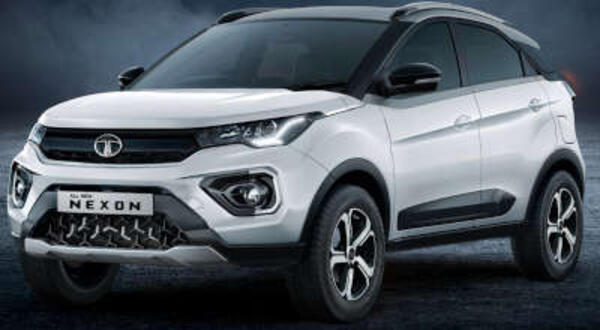
- Vehicles Analyzed: Tata Curvv EV 55, Tata Nexon EV 45, MG ZS EV, MG Windsor EV, and Mahindra XUV400.
What Has Changed?
India's highway infrastructure has fundamentally transformed over the past three years. Bumpy two-lane state corridors that once mandated frequent braking and speed variation have given way to uninterrupted concrete expressways where drivers lock their cruise control at 100 or 120 km/h for hours.
This infrastructure shift exposes the fatal flaw of the legacy MIDC testing procedure. Under urban conditions, electric vehicles recapture kinetic energy via regenerative braking every time traffic slows down. On a flat, open expressway, continuous throttle application completely eliminates regenerative recapture while thermal loads spike.
Automakers have started recognizing this consumer disconnect. Tata Motors introduced its internal "C75" rating to communicate what 75 percent of typical owners might actually observe in mixed driving. While C75 brings expectations closer to reality, it still falls short of reflecting the aggressive power draw of sustained 120 km/h cruising under a blistering 40-degree Indian summer sun.
Specifications & Real-World Consumption Physics
Three primary factors drain an EV battery at highway speeds: aerodynamic drag, electric motor gearing, and auxiliary climate control. Aerodynamic drag increases with the square of vehicle velocity; punching a blunt compact SUV body through the air at 120 km/h requires over double the propulsion energy required at 70 km/h.
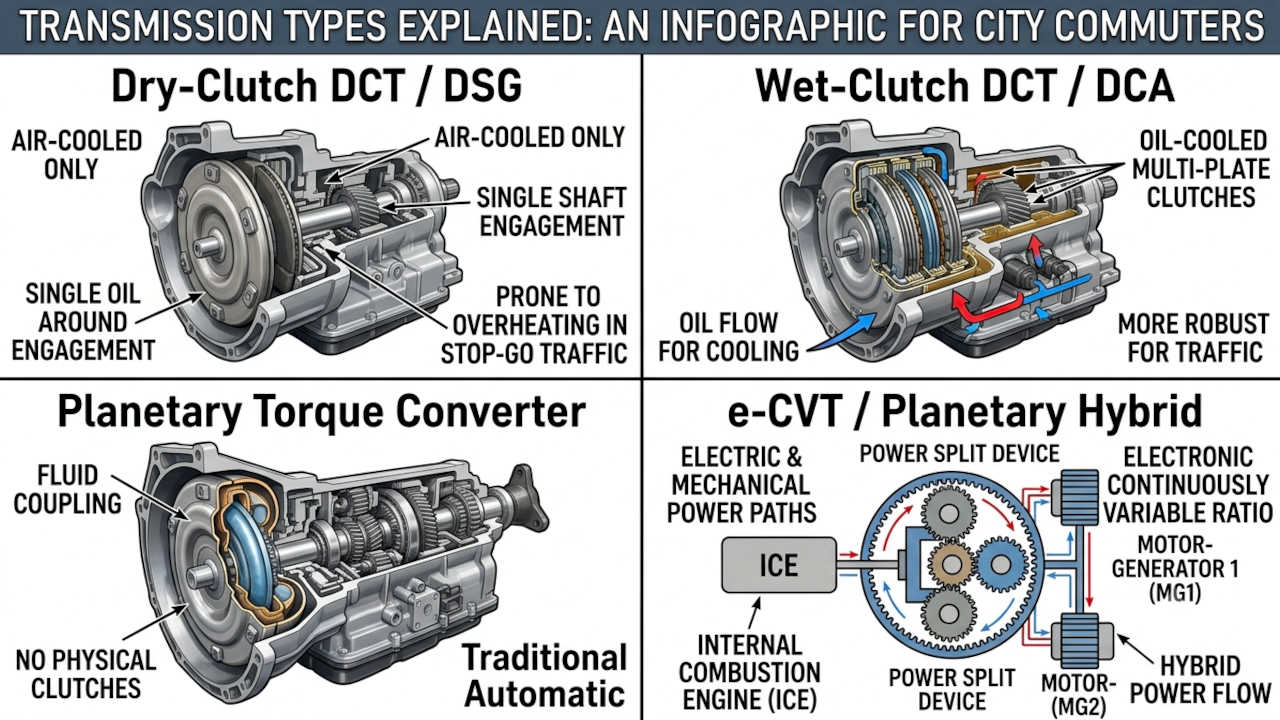
Unlike internal combustion cars that use multi-gear transmissions to keep engine revolutions low at high road speeds, mass-market electric vehicles utilize a single-speed reduction gear. To propel a car at 120 km/h, the electric rotor must spin upwards of 10,000 to 12,000 RPM, pushing the powertrain well outside its optimum efficiency sweet spot.
| Vehicle & Battery Pack | ARAI Claimed Range | Realistic Highway Range (100–110 km/h) | Observed Range Drop |
|---|---|---|---|
| Tata Curvv EV (55 kWh LFP) | 585 km | 330 to 360 km | 38% to 43% |
| Tata Nexon EV (45 kWh LFP) | 489 km | 260 to 290 km | 40% to 46% |
| MG ZS EV (50.3 kWh LFP) | 461 km | 275 to 305 km | 34% to 40% |
| Mahindra XUV400 (39.4 kWh NMC) | 456 km | 240 to 265 km | 42% to 47% |
| MG Windsor EV (38 kWh LFP) | 331 km | 200 to 225 km | 32% to 39% |
HVAC systems compound this consumption. Keeping a cabin cool in extreme ambient heat requires a continuous compressor draw of 1.5 kW to 2.5 kW. Over a three-hour driving stint, climate control alone consumes 5 to 7.5 kWh of energy, which represents up to 15 percent of the total capacity of a 45 kWh battery pack before the wheels even rotate.
Ownership, Practicality & The Fast-Charging Tax
Real-world highway touring changes the financial equation of electric mobility. Charging an EV at home on domestic AC power costs between ₹1.20 and ₹1.80 per kilometer. However, when road-tripping along expressways, owners rely on commercial DC fast chargers billing between ₹18 and ₹24 per kilowatt-hour plus GST.
With highway consumption climbing to 170–200 Wh/km at triple-digit speeds, your running cost reaches ₹3.80 to ₹5.20 per kilometer on fast chargers. While still cheaper than a petrol car, this figure matches the operating costs of an efficient diesel crossover, removing the massive cost advantage EVs enjoy in city traffic.
Routinely using highway DC fast chargers also requires adhering to the practical 10-to-80 percent charging window. Beyond an 80 percent state of charge, the battery management system throttles intake speeds to manage heat and protect cell chemistry. This means drivers effectively operate within a 70 percent usable battery buffer between highway charging stops, translating to real-world driving stints of only 180 to 240 kilometers between plug-ins.
The Buyer’s Dilemma
Who Should Buy an Electric SUV Today?
Motorists driving 40 to 80 kilometers daily within city limits who take occasional weekend getaways under 250 kilometers. For owners who charge predominantly at home overnight, the silky quietness, instantaneous acceleration, and minimal local running costs remain unmatched by any combustion engine.
Who Should Look at Hybrids or Diesels?
Frequent long-distance highway travelers who routinely cover 500 to 800 kilometers in a single day across tight schedules. If your driving regularly involves continuous 120 km/h expressway cruising, strong hybrids or refined diesel crossovers eliminate the stress of charger queues and hunting for functioning fast chargers.
What We Still Don't Know
Key operational factors continue to evolve across India's changing EV ecosystem:
- Whether the Ministry of Road Transport and Highways will mandate a dedicated high-speed highway cycle to replace or supplement current urban-centric MIDC range claims.
- How severely North Indian winter conditions, dense fog, and prolonged windshield defogger usage will sap highway range on newer lithium-iron-phosphate (LFP) battery packs.
- Long-term cell degradation trends for vehicles frequently subjected to 50 kW to 60 kW DC fast charging in extreme ambient desert heat.
AkulRide Verdict
The dramatic drop between ARAI figures and real-world expressway performance does not mean electric vehicles are incapable cross-country tourers; it simply exposes how outdated laboratory tests mislead consumers.
A modern 50 kWh to 55 kWh electric crossover can handle interstate journeys comfortably if you plan stops around realistic 250-kilometer legs and drop your cruising speed to 90–95 km/h. Buying an electric car expecting to drive 500 kilometers non-stop at 120 km/h will result in instant frustration. Understanding the physics of electric consumption before signing the booking form is the only way to avoid showroom regret.


User Discussion