



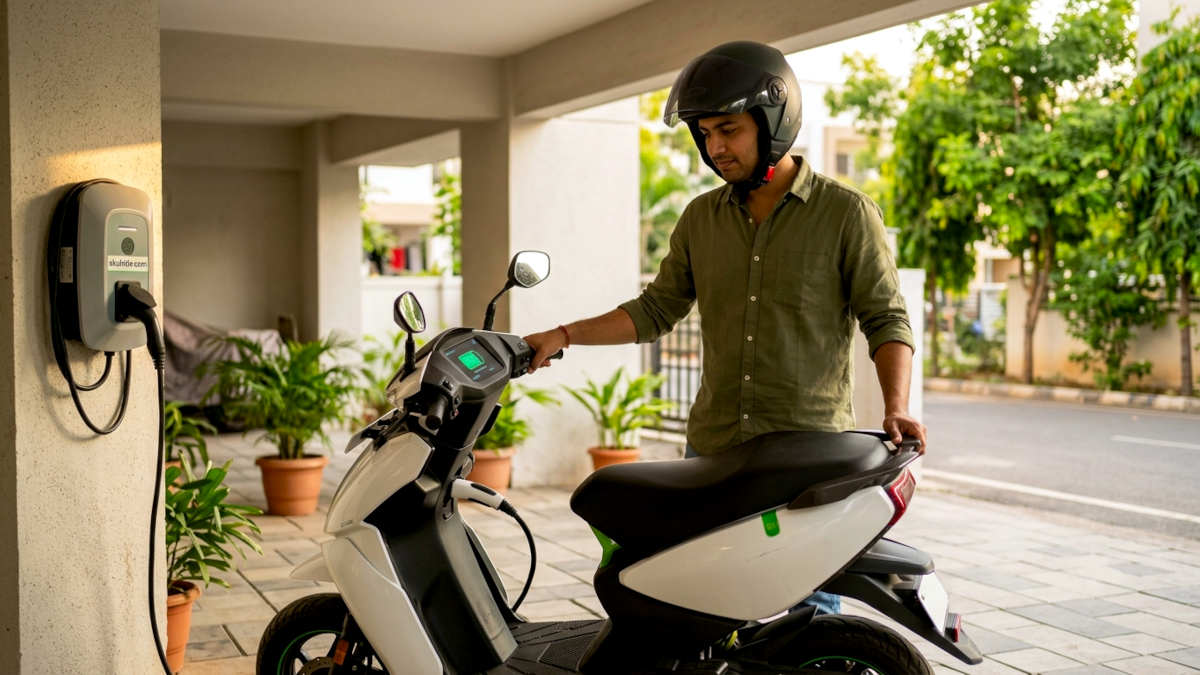
So, you finally made the switch to an electric vehicle and are enjoying those incredibly cheap running costs. But are you accidentally shortening your EV’s lifespan with bad riding and charging habits? Maximizing your vehicle's real-world range and keeping its battery healthy doesn't require a degree in engineering.
As an automotive expert, I see hundreds of new owners fall into the exact same easily avoidable traps every single day. By implementing a few simple, strategic tweaks to your daily commute, you can radically boost efficiency. Here is your definitive, expert-vetted guide to mastering EV ownership and keeping your machine running perfectly.
Mastering the Throttle: Riding Habits for Maximum Range
The easiest way to drain an electric vehicle's battery pack prematurely is erratic, aggressive throttle inputs. Unlike conventional petrol engines that take time to build power, electric motors deliver 100% of their torque instantly. While that sudden surge of power is incredibly fun, pinning the throttle from every red light wreaks havoc on your range.
The Art of Gradual Acceleration
To squeeze every last kilometer out of a single charge, train yourself to roll on the throttle smoothly and progressively. Maintaining a steady, consistent cruising speed is the golden rule of efficient EV riding. Sudden bursts of acceleration draw massive current from the cells, causing internal temperatures to spike and efficiency to plummet.
- Eco Mode is Your Best Friend: Lock your vehicle into its standard efficiency mode for routine, flat-road city commutes.
- Ditch the Excess Weight: Mass is the ultimate enemy of efficiency, so clear out heavy, unnecessary items from your under-seat boot storage.
- Avoid Steep, Unnecessary Inclines: Plan your routes to bypass aggressive hills or flyovers whenever an alternative flat path is available.
Making the Most of Regenerative Braking
Why waste kinetic energy when you can feed it directly back into your battery pack? Modern smart EVs come equipped with advanced regenerative braking systems that act as a miniature generator when you slow down. By anticipating traffic ahead and letting go of the throttle early, you can brake less and charge more on the go.
The Sweet Spot: Smart Charging Habits to Extend Battery Lifespan
How you handle the charging cable dictates exactly how many years your lithium cells will survive before needing a costly replacement. Many riders assume that keeping the vehicle plugged in 24/7 is the best way to stay prepared. In reality, keeping a lithium battery at extreme limits of charge places immense physical stress on its chemistry.
Avoid the "Immediate Plug-In" Mistake
Never connect your EV to a wall outlet immediately after coming home from a long, high-speed ride. Your battery pack generates significant internal heat while powering your commute through the city. Plugging it in right away traps that thermal energy, compounding the heat and accelerating cell degradation.
- The Cool-Down Rule: Let your electric vehicle rest in a shaded area for 30 minutes post-ride before starting a charge cycle.
- The Post-Charge Pause: Similarly, avoid jumping straight onto the road immediately after your charger hits its target percentage.
- Stick to OEM Chargers: Always use the original, factory-authorized charger to protect your sophisticated Battery Management System (BMS).
The 40-80 Rule Decoded
Routinely letting your battery charge drop below the 40% mark puts unnecessary strain on your vehicle's power cells. For optimal longevity, aim to operate your commuter within the healthy 40% to 80% capacity window for daily trips. While fully charging to 100% before a rare weekend getaway is perfectly fine, leaving it maxed out for days on end ruins its capacity.
Defeating the Elements: Weather and Storage Guidelines
Extreme temperatures are silent killers when it comes to long-term electric vehicle performance. Intense tropical summer heatwaves and harsh winter cold snaps alter the chemical behavior inside the battery housing. Knowing where and how to park your vehicle can prevent permanent internal structural damage.
Protect Your Ride From Direct Indian Sun
Always seek out covered parking slots, basements, or deep shade whenever you leave your electric scooter during peak daylight hours. Leaving an EV exposed to baking solar heat can compromise battery safety and trigger automatic over-temperature protection protocols. A simple, premium breathable body cover goes a long way in shielding the electrical components from adverse weather.
- Keep the Under-Deck Clean: Corrosive road grime, salt, and mud build up beneath the body panels and retain destructive moisture.
- Wipe Down, Don't Jet Wash: Clean your EV using a damp microfiber towel rather than blasting high-pressure water at delicate electronics.
- Monsoon Preparation: Inspect the heavy-duty rubber seals around your main charging port for any signs of cracking before the rains arrive.
Long-Term Storage Safeguards
If you plan to leave your electric vehicle completely unused for more than two consecutive weeks, never store it with a totally empty or fully charged battery. The sweet spot for long-term storage is keeping the state of charge stable between 50% and 60%. Park the vehicle in a dry, ventilated garage maintained close to a room temperature of 25°C to preserve asset value.
User Discussion