



Every time you pull into a fuel station, a small part of your monthly budget vanishes into thin air. With petrol prices stubbornly sitting above ₹100 per litre across India, that simple daily office commute is turning into an expensive habit.
But what happens if you completely swap the petrol pump for a standard home wall socket? Let us dive into the brutal, real-world math of running an Ampere electric scooter versus a traditional petrol scooter to see exactly how much cash you are losing.
The Per-Kilometre Showdown: 15 Paise vs ₹2.50
The starkest difference between traditional internal combustion engines and modern electric two-wheelers lies in their fundamental energy efficiency. A standard 110cc or 125cc petrol scooter delivers an average real-world mileage of roughly 45 km per litre in dense city traffic.
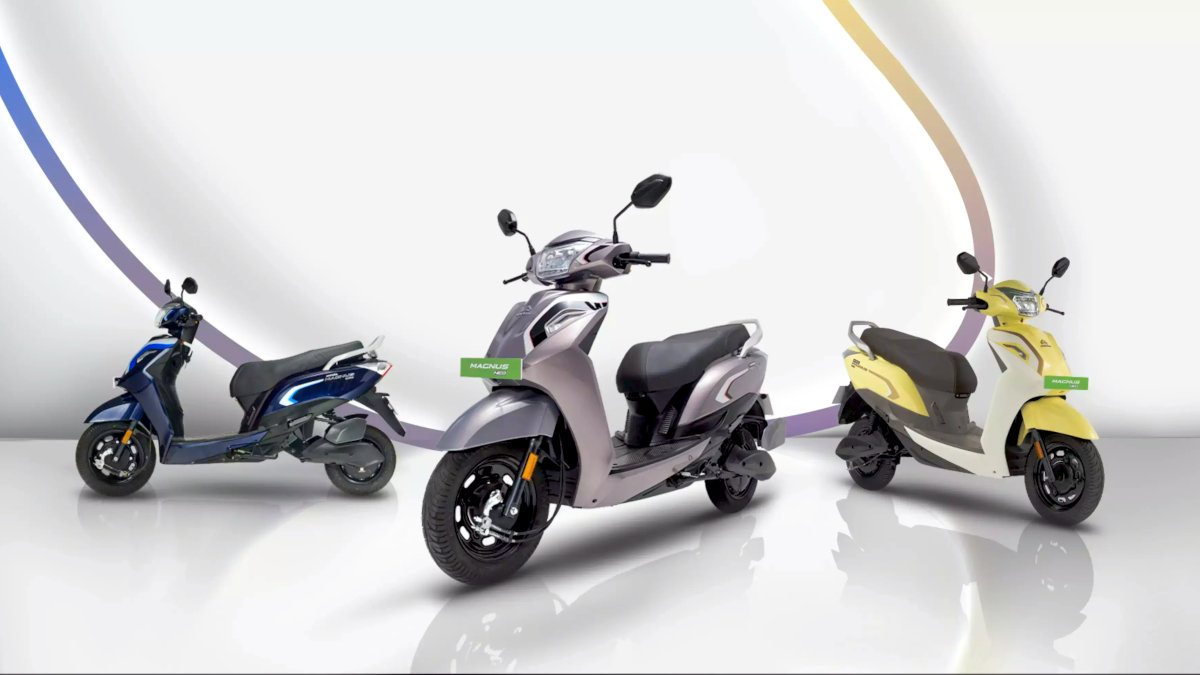
This translates to a painful running cost of approximately ₹2.20 to ₹2.50 for every single kilometre you travel. Meanwhile, a flagship electric commuter like the Ampere Nexus or Magnus Grand completely flips the script on energy costs.
By drawing minimal power from your home electricity connection, an Ampere e-scooter operates at an astonishingly low 12 to 18 paise per kilometre. When you look at the raw numbers side-by-side, petrol is nearly fifteen times more expensive to consume than electricity.
Monthly Budget Blueprint: Calculating the True Savings
To see how these tiny per-kilometre numbers impact your actual bank balance, let us calculate a standard urban monthly commute. Suppose you travel a modest 40 kilometres per day for 25 days a month, totaling 1,000 kilometres of travel.
- The Petrol Scooter Bill: At ₹2.50 per km, your monthly fuel expenditure sits heavily at a steep ₹2,500.
- The Ampere EV Scooter Bill: At a baseline of 15 paise per km, your monthly home charging bill reaches a microscopic ₹150.
- Instant Monthly Pocket Savings: You retain a massive ₹2,350 in your wallet every single month just by making the switch.
Over the course of a single calendar year, this single adjustment stacks up to more than ₹28,000 in pure fuel savings alone. That is enough money to entirely offset a major chunk of the vehicle's initial on-road purchase price within your first two years of ownership.
The Hidden Expense: Maintenance and Service Bills
Fuel costs are only one half of the heavy financial burden that traditional petrol vehicle owners are forced to deal with. Petrol engines are incredibly complex mechanical puzzles filled with hundreds of high-friction, fast-moving parts that generate immense internal heat.
The Continuous Drain of Petrol Upkeep
To keep a traditional scooter running smoothly, you must routinely visit the local service centre every 2,000 kilometres. These unavoidable visits demand frequent engine oil flushes, new air filters, spark plug changes, and periodic carburettor tuning that drains your time and money.
The Beauty of Zero-Engine Mechanics
Ampere electric scooters completely eliminate these mechanical headaches because an electric motor features only a fraction of the moving components. There is absolutely no engine oil to change, no spark plugs to clean, and no air filters to periodically swap out.
- Brake Pad Maintenance: Both vehicle types require standard brake pad and fluid replacements based on your riding style.
- Suspension Care: Routine periodic fork oil and shock checks remain identical across both platforms.
- Yearly Maintenance Savings: Eliminating engine tune-ups cuts your periodic servicing bills by a massive 60% to 70% annually.
Expert Tips: Squeezing Maximum Efficiency from Your EV
If you want to maximize your monthly savings even further, you can implement a few intelligent charging habits at home. These pro-level adjustments will protect your battery's health while keeping your monthly electricity bill as low as possible.
- Utilize Off-Peak Domestic Tariffs: Many state electricity boards offer significantly lower power rates late at night, making it the perfect time to plug in.
- Avoid Public Fast-Charging Hubs: Rely primarily on your home domestic charger, as commercial fast stations carry steep convenience premiums.
- Maintain Correct Tyre Pressure: Riding on under-inflated tyres creates heavy rolling resistance, which drains your battery quicker and inflates your per-km cost.
AkulRide Verdict: Is the Shift to Ampere Worth It?
When you add up the staggering differences in fuel costs and subtract the heavy mechanical maintenance burdens, the financial verdict is undeniable. The era of the budget-friendly petrol commuter is rapidly drawing to a close in the face of hyper-efficient EV engineering.
While an electric scooter requires a slightly higher upfront initial investment, it quickly proves its immense value over long-term usage. By putting over ₹30,000 back into your annual budget through microscopic running costs, an Ampere e-scooter is the ultimate weapon against inflation.
User Discussion