

Peugeot has unveiled the RCZ Vision, an electric sports coupe concept showcasing the French automaker's future design direction and next-generation vehicle technologies. The concept combines a claimed 500 hp electric powertrain with a solid-state battery developed in collaboration with Factorial Energy, a 1,000-volt electrical architecture and a targeted driving range of up to 600 km.
Presented as a design and technology manifesto rather than a confirmed production model, the Peugeot RCZ Vision revisits the spirit of the original RCZ coupe, which was produced between 2009 and 2015. It also previews the next evolution of Peugeot's i-Cockpit interior and introduces technologies intended to influence future production vehicles.
The concept brings together several developments, including Hypersquare steering control, steer-by-wire and brake-by-wire systems, transparent Micro LED displays and an ultra-thin solid-state battery measuring 110 mm in thickness. Peugeot says the battery can charge from 10% to 80% in approximately 10 minutes under the specified charging conditions.
Peugeot RCZ Vision Introduces the Feline Future Design Language
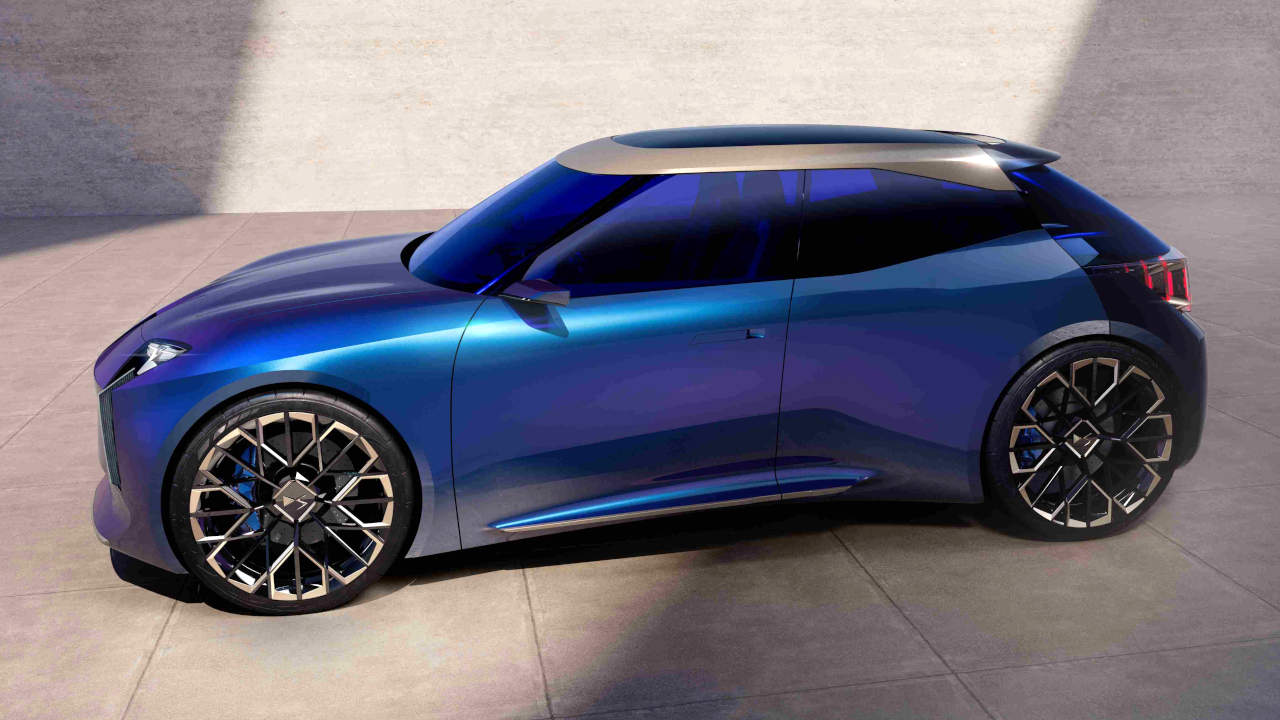
The RCZ Vision is the first expression of Peugeot's Feline Future design philosophy, which is built around five principles: Freedom, Courage, Elegance, Inner Force and Instinct. Developed by the company's design team under Design Director Matthias Hossann, the concept combines the proportions of a low-slung grand tourer with the muscular surfaces and distinctive lighting associated with the Peugeot brand.
The front features ultra-compact Thin Lens LED headlights positioned above three horizontal lighting elements inspired by Peugeot's signature claw motif. An illuminated emblem and a micro-perforated RCZ graphic across the bumper give the front end a distinctive appearance, while sculpted air intakes reinforce the car's performance-focused character.
The rear continues the three-claw lighting theme, integrating the lighting functions into a clean, uninterrupted design. An active rear spoiler remains concealed when the vehicle is stationary and deploys while driving to help optimise aerodynamic performance.
One of the concept's most striking design features is its expansive glass canopy, which stretches from the bonnet towards the rear of the vehicle. The roof retains the double-bubble form associated with the original RCZ, while the redesigned cabin arches appear slimmer and visually lighter. Peugeot says the revised roof profile also helps improve rear-seat space.
The body combines broad, sculpted shoulders with rounded surfaces and a low overall silhouette. The result is intended to communicate performance without relying on unnecessarily aggressive styling.
The sustainability-focused design extends to the arches, where Peugeot replaces the use of solid aluminium with paint made from recycled aluminium. The concept also features forged-aluminium wheels measuring 21 inches at the front and 22 inches at the rear. Their radiating-spoke pattern is designed to minimise material use while recalling the triangular detailing found on the original RCZ's wheels.
500 hp Electric Powertrain and Solid-State Battery
The Peugeot RCZ Vision uses an architecture based on Stellantis' STLA One platform, designed to accommodate future technologies and different battery options. Peugeot presents the concept as an exploration of how performance, efficiency and packaging could be combined in a future electric vehicle.
Its electric powertrain delivers a claimed 500 hp, while the targeted driving range extends to 600 km. Peugeot also quotes energy consumption of 11.5 kWh per 100 km on the WLTP combined test cycle, although the company explicitly states that this consumption figure remains subject to confirmation.
The battery is one of the concept's central technical features. Developed in collaboration with Factorial Energy, its solid-state cells are intended to deliver higher energy density, allowing more energy to be stored in a smaller volume. The battery pack measures just 110 mm in thickness, helping Peugeot explore a lower vehicle profile without sacrificing the packaging space needed for energy storage.
The system operates on a 1,000-volt electrical architecture. According to Peugeot, this high-voltage setup allows the battery's state of charge to rise from 10% to 80% in just 10 minutes when connected to suitable charging infrastructure.
These figures describe Peugeot's targets for the concept and should not be treated as independently verified production-vehicle specifications. The company has not announced a confirmed production schedule for the RCZ Vision or published a full battery capacity and electric motor configuration breakdown.
Hypersquare Steering Previews Future Peugeot Technology
The RCZ Vision introduces an advanced version of the Peugeot i-Cockpit concept, combining the Hypersquare steering control with steer-by-wire technology. Instead of a conventional round steering wheel, Hypersquare uses a compact rectangular control with four integrated rings that provide access to key functions without requiring the driver to move their hands away from the steering interface.
The steer-by-wire system replaces the mechanical connection between the steering control and the wheels with electronic controls. It can adjust the steering ratio according to vehicle speed, reducing the amount of steering input required during low-speed manoeuvres while aiming to maintain smooth and predictable responses at higher speeds.
Peugeot says the steering control requires slightly less than one full turn of rotation from lock to lock, compared with approximately three turns for a conventional steering wheel. The system is also designed to filter out unwanted vibrations from road-surface imperfections.
Importantly, Peugeot confirms that the RCZ Vision uses the same production version of Hypersquare planned for the next-generation Peugeot E-208. This makes the steering technology one of the concept's clearest links to a forthcoming production vehicle.
The RCZ Vision also introduces brake-by-wire technology. This system replaces the conventional hydraulic connection between the brake pedal and braking hardware with electronic control. Peugeot says it allows more precise brake modulation and closer integration between regenerative braking and conventional friction brakes.
The concept also showcases what Peugeot describes as Level 2++ automated driving capability, including a hands-free function available on demand for both urban roads and open-road journeys. This remains a manufacturer-described concept feature, and the company has not provided detailed operating conditions or production availability for the system.
Transparent Micro LED Displays and a New i-Cockpit
Inside, Peugeot takes a different approach to the increasing number of screens found in modern vehicle cabins. The RCZ Vision uses transparent Micro LED displays to present driving information without creating a visually crowded dashboard.
The main driver information display sits directly above the Hypersquare control, keeping essential information within the driver's field of vision. The central infotainment display is vertically oriented and angled towards the driver to provide access to navigation, entertainment and vehicle settings.
Both displays are designed around personalisation. Drivers can select the information they need and reduce unnecessary visual content. The central screen can also be switched off, allowing its transparent structure to blend into the dashboard and create a cleaner cabin appearance.
This approach reflects Peugeot's stated preference for useful, customisable technology rather than simply increasing the number and size of screens. The objective is to reduce visual distraction while preserving quick access to essential vehicle functions.
The dashboard itself is closely shaped around the components it houses, and the air vents can retract into the structure when not in use. A floating centre console provides physical controls for functions such as driving modes and climate settings, with aluminium components arranged on a frosted-glass surface.
Four-Seat Cabin Uses Premium and Recycled Materials
The Peugeot RCZ Vision has a dedicated four-seat grand touring layout. The front seats feature an asymmetrical structure designed to provide additional lateral support towards the centre of the vehicle while helping protect the floating central display. Open sections in the seatbacks reduce material use and weight.
Two adults can be accommodated in the rear, and the rear seatbacks fold to increase luggage capacity. Peugeot has not announced a numerical luggage capacity for the concept.
The cabin uses light-blue Alcantara and PELINOVA recycled leather. PELINOVA is made from unused animal-leather offcuts sourced from the leather-goods industry. According to Peugeot, the material retains the tactile qualities and appearance of genuine leather while making use of material that might otherwise go unused.
The combination of soft upholstery, aluminium controls and restrained digital displays gives the interior a premium grand touring character. Rather than presenting technology as the dominant feature, Peugeot aims to integrate it into a cabin designed around comfort and driving engagement.
A bespoke analogue dashboard clock adds another distinctive detail. Created in collaboration with French watchmaker SERICA, the Parade timepiece is integrated into the central display support, combining traditional watchmaking aesthetics with the concept's contemporary interior design.
Peugeot RCZ Vision Concept: Key Specifications
| Parameter | Peugeot RCZ Vision |
|---|---|
| Vehicle type | Electric sports coupe concept |
| Design philosophy | Feline Future |
| Platform architecture | Based on Stellantis STLA One |
| Powertrain | Fully electric |
| Claimed power output | 500 hp |
| Target driving range | Up to 600 km |
| Target energy consumption | 11.5 kWh/100 km on the WLTP combined cycle, subject to confirmation |
| Battery technology | Solid-state battery developed with Factorial Energy |
| Battery thickness | 110 mm |
| Electrical architecture | 1,000 volts |
| Claimed charging time | 10% to 80% in approximately 10 minutes |
| Steering technology | Hypersquare with steer-by-wire |
| Braking technology | Brake-by-wire |
| Display technology | Transparent Micro LED displays |
| Wheel sizes | 21-inch front and 22-inch rear |
| Seating layout | Four seats |
| Production status | Concept and technology manifesto |
What Remains Unconfirmed?
Peugeot has not announced plans to put the RCZ Vision into production. The concept demonstrates the brand's future design and technology direction, but it should not be interpreted as confirmation that a new production sports coupe will join the model range.
The 500 hp power output, driving range of up to 600 km and 10-minute charging claim are manufacturer-stated figures for the concept. The quoted energy consumption of 11.5 kWh per 100 km remains subject to confirmation. Peugeot has not provided a complete battery capacity, motor layout, performance breakdown or detailed charging conditions.
The use of solid-state battery technology and the 1,000-volt system also does not establish when these technologies will reach production or which future Peugeot models will receive them. Hypersquare has a clearer stated production connection through the next-generation E-208, but other RCZ Vision technologies remain part of the company's forward-looking development programme.
AkulRide Verdict
The Peugeot RCZ Vision combines the styling heritage of the original RCZ with a forward-looking approach to electric performance, cabin technology and sustainable materials. Its 500 hp powertrain, thin solid-state battery and 1,000-volt architecture outline Peugeot's ambitions for efficient, high-performance electric mobility.
The concept's most significant contribution may be its integration of technologies rather than its headline figures alone. Hypersquare steering, steer-by-wire, brake-by-wire and transparent Micro LED displays illustrate how Peugeot is exploring a more direct and less cluttered driving experience. The planned use of the production Hypersquare system in the next-generation E-208 provides a tangible connection between the concept and the brand's future road cars.
For now, the RCZ Vision remains a technology and design study, not a confirmed return of the production RCZ coupe. Its eventual influence will depend on which of its features move into series production, and when Peugeot makes further details available.
User Discussion