


Kawasaki has listed the 2027 Ninja 1100SX ABS and Ninja 1100SX SE ABS on its official United States website, confirming prices and specifications for the two sport-touring motorcycles. Both models use a 1,099cc inline-four engine producing a claimed 134 hp and 83.2 lb-ft of torque, along with electronic rider aids designed for road riding and long-distance touring.
The standard 2027 Ninja 1100SX ABS starts at $14,199, while the premium Ninja 1100SX SE ABS is priced at $15,999. Kawasaki lists an $840 destination charge for each model, taking their respective prices including destination to $15,039 and $16,839, before taxes, title, registration and dealer fees.
2027 Kawasaki Ninja 1100SX ABS and SE ABS: Price and Specifications
The two variants share the same engine, aluminium frame, six-speed transmission and electronic riding systems. The SE version distinguishes itself with upgraded suspension and braking hardware, along with heated grips for added convenience during cooler-weather rides.
| Specification | Ninja 1100SX ABS | Ninja 1100SX SE ABS |
|---|---|---|
| Model year | 2027 | 2027 |
| Engine | Liquid-cooled, four-stroke inline-four, DOHC, 16 valves | Liquid-cooled, four-stroke inline-four, DOHC, 16 valves |
| Displacement | 1,099cc | 1,099cc |
| Maximum power | 134 hp at 9,000 rpm | 134 hp at 9,000 rpm |
| Maximum torque | 83.2 lb-ft at 7,600 rpm | 83.2 lb-ft at 7,600 rpm |
| Transmission | Six-speed with Assist & Slipper clutch | Six-speed with Assist & Slipper clutch |
| Frame | Twin-spar aluminium | Twin-spar aluminium |
| Front suspension | 41mm inverted Showa fork with adjustable damping and spring preload | 41mm inverted Showa fork with adjustable damping and spring preload |
| Rear suspension | Horizontal back-link with gas-charged shock | Öhlins S46 gas-charged shock |
| Front brakes | Dual 300mm discs with radial-mount four-piston monobloc calipers | Dual 300mm discs with Brembo M4.32 radial-mount four-piston monobloc calipers |
| Braking technology | KIBS and ABS | KIBS and ABS |
| Instrumentation | 4.3-inch TFT colour display | 4.3-inch TFT colour display |
| Additional features | Electronic cruise control, quick shifter, USB Type-C outlet and smartphone connectivity | Electronic cruise control, quick shifter, USB Type-C outlet, smartphone connectivity and heated grips |
| Seat height | 32.3 inches | 32.3 inches |
| Curb weight | 518.2 lb | 516.0 lb |
| Fuel capacity | 5.0 US gallons | 5.0 US gallons |
| Colour | Metallic Carbon Gray/Metallic Diablo Black | Plasma Lime Green/Metallic Diablo Black |
| Starting MSRP | $14,199 | $15,999 |
| Destination charge | $840 | $840 |
| MSRP including destination | $15,039 | $16,839 |
1,099cc Inline-Four Engine and Six-Speed Transmission
Both motorcycles are powered by a 1,099cc, liquid-cooled, four-stroke inline-four engine with double overhead camshafts and 16 valves. Kawasaki lists maximum output at 134 hp at 9,000 rpm and peak torque of 83.2 lb-ft at 7,600 rpm. The horsepower figure is measured according to ISO 4106, which uses a different measurement standard from the SAE standards commonly used for many cars.
The engine features digital fuel injection with 38mm electronic throttle valves and a six-speed return-shift transmission. A wet multi-disc Assist & Slipper clutch helps reduce lever effort and manage excessive back-torque during downshifts. Final drive is through a sealed chain.
Kawasaki Quick Shifter (KQS) is also included, enabling clutchless upshifts and downshifts under suitable operating conditions. The system is intended to make gear changes smoother and reduce the need to operate the clutch during sporty riding.
Electronic Rider Aids and Sport-Touring Technology
The Ninja 1100SX ABS and SE ABS feature an extensive electronic rider-assistance package. It includes Kawasaki Traction Control (KTRC), selectable power modes, Kawasaki Cornering Management Function (KCMF), Kawasaki Intelligent anti-lock Brake System (KIBS), ABS and IMU-enhanced chassis orientation awareness.
The inertial measurement unit helps the motorcycle's electronic systems account for changes in chassis orientation during riding. KCMF coordinates relevant engine and chassis control functions, while KTRC helps manage rear-wheel traction. KIBS is designed to provide controlled braking intervention while taking the motorcycle's operating conditions into account.
Electronic cruise control is standard on both variants, making it easier to maintain a selected cruising speed on suitable roads. The Economical Riding Indicator provides feedback when riding conditions favour fuel-efficient operation.
Both models also feature a 4.3-inch full-colour TFT instrument panel, all-LED lighting and a USB Type-C outlet. Smartphone connectivity is available through RIDEOLOGY THE APP MOTORCYCLE. Kawasaki lists voice-command and navigation-related functions as requiring a purchased licence, and availability may vary by market.
Ninja 1100SX SE ABS Gets Premium Suspension and Brakes
The principal mechanical distinction between the two motorcycles is the SE variant's upgraded suspension and front braking hardware. The standard Ninja 1100SX ABS uses a horizontal back-link rear suspension with a gas-charged shock absorber, rebound damping and remotely adjustable spring preload.
The Ninja 1100SX SE ABS upgrades to an Öhlins S46 gas-charged rear shock, which also features rebound damping and remote spring-preload adjustment. Both motorcycles use a 41mm inverted Showa front fork with compression and rebound damping adjustment, along with adjustable spring preload.
The standard model uses dual 300mm front discs with radial-mounted four-piston monobloc calipers. The SE receives Brembo M4.32 four-piston monobloc front calipers paired with dual 300mm discs and stainless-steel braided front brake lines. Both versions retain Kawasaki Intelligent anti-lock Brake System technology and ABS, while the SE's hardware provides a more premium braking package.
The SE also includes heated grips as standard equipment. This feature adds convenience for riders covering longer distances in cooler conditions, complementing the motorcycle's touring-focused equipment.
Aluminium Chassis and Touring Dimensions
Both versions use a twin-spar aluminium frame and a 56.7-inch wheelbase. Kawasaki lists a seat height of 32.3 inches, ground clearance of 5.3 inches and a fuel capacity of 5.0 US gallons.
The front suspension offers 4.7 inches of travel, while the rear suspension provides 5.6 inches. Both motorcycles use a 120/70-17 front tyre and a 190/50-17 rear tyre. Their listed dimensions and equipment reflect a combination of sporty handling and touring practicality.
The standard Ninja 1100SX ABS has a listed curb weight of 518.2 lb, compared with 516.0 lb for the SE ABS. These figures include the required operating fluids, a fuel tank filled to more than 90% capacity and the tool kit, where supplied. California evaporative emissions equipment, when fitted, adds approximately 2.2 lb.
US Pricing and Colour Options
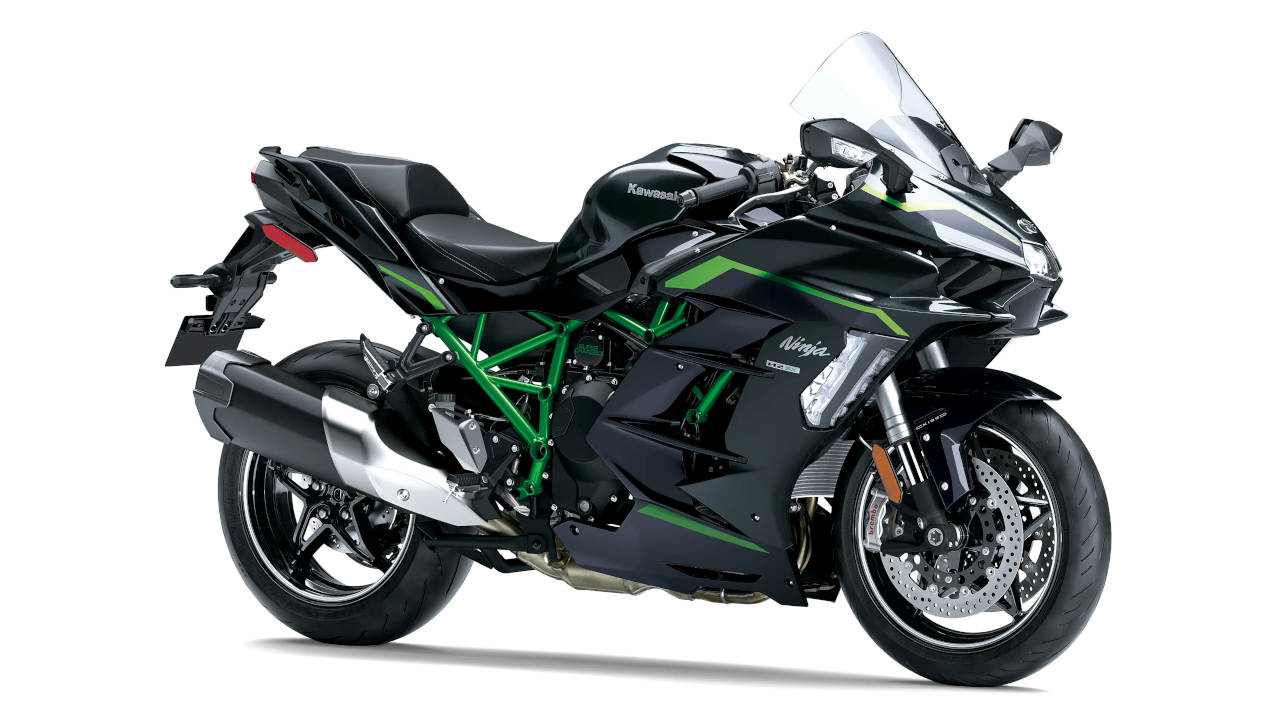
The 2027 Ninja 1100SX ABS is listed in Metallic Carbon Gray/Metallic Diablo Black, with a starting MSRP of $14,199. The Ninja 1100SX SE ABS is listed in Plasma Lime Green/Metallic Diablo Black and carries a starting MSRP of $15,999.
The $840 destination charge applies to both models. Kawasaki's published totals including destination are $15,039 for the standard version and $16,839 for the SE. These figures exclude options, taxes, title, licence, registration and dealer fees, and the actual retail price is set by the dealer.
The official listings provide specifications and pricing but do not establish a confirmed dealership arrival date. Prospective buyers should contact an authorised Kawasaki dealer for current inventory and delivery details. The prices and specifications above apply to the United States market and should not be assumed to apply elsewhere.
AkulRide Verdict
The 2027 Kawasaki Ninja 1100SX ABS and Ninja 1100SX SE ABS share a 1,099cc inline-four engine, 134 hp output, comprehensive electronic rider aids and a sport-touring chassis. The standard version delivers the core package, including cruise control, a quick shifter, TFT instrumentation and smartphone connectivity.
The SE justifies its higher listed price with an Öhlins rear shock, Brembo front brake calipers, stainless-steel braided front brake lines and heated grips. With a $1,800 difference in starting MSRP, buyers can weigh the value of these upgrades against their riding needs. Both variants are equipped for riders who want a road-focused motorcycle that combines sporty performance with features intended for longer journeys.
User Discussion